What is the oldest oil rig?

Emily Baldwin
Published Jan 23, 2026
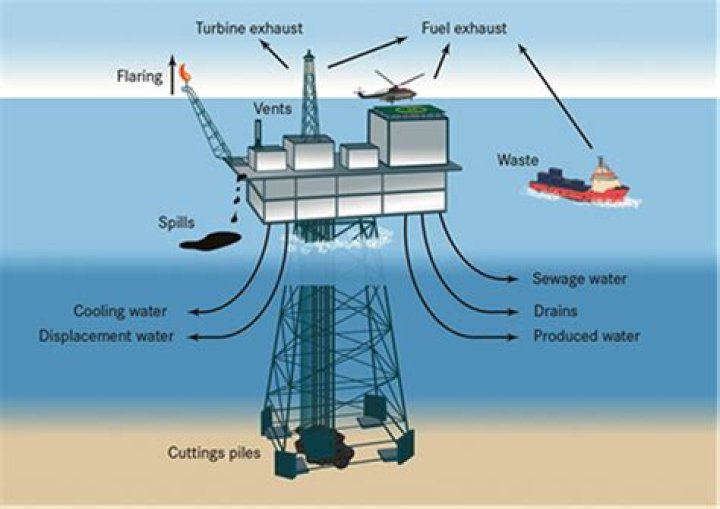
Ekofisk 2/4 B is the world’s longest-standing fixed offshore platform. Image courtesy of ConocoPhillips. The Ekofisk 2/4 B is a combined production and drilling platform operated by ConocoPhillips. Located 2.3km north of the Ekofisk Complex in the North Sea in 70m of water, the platform commenced operations in 1974.
When did we start drilling for oil in the ocean?
1896
The first drilling for oil in ocean waters took place in 1896 off the coast of California. Since then, offshore drilling has pushed the limits of technology and innovation, with the deepest wells now being drilled in waters more than 2,900 m deep in the Gulf of Mexico.
Do oil rigs move?
They are fully mobile and rotational, much like normal ships. As a result, they’re nice and simple to move. But, these rigs aren’t much in comparison to the large ocean rigs. Shallow water jack-up rigs appear to be the current oil rig of choice for drilling companies.
Where was the first oil rig in America?
The first oil rig was established in 1859 in Titusville, Pennsylvania. The rig tragically caught fire a few short months later, which would serve as a warning sign to would-be drillers everywhere of the dangers of oil drilling.
When did oil rigs start using electric power?
1950: Drilling rigs begin operating with mechanical power, often powered through diesel engines instead of by steam. 1970: Drilling rigs move to electric power, using on-site generators to power rig components.
Which is the first offshore drilling rig in the world?
The first offshore drillship was the CUSS 1 developed for the Mohole project to drill into the Earth’s crust. As of June, 2010, there were over 620 mobile offshore drilling rigs (Jackups, semisubs, drillships, barges) available for service in the competitive rig fleet.
How have drilling rigs changed over the century?
A CENTURY OF DRILLING: HOW RIGS HAVE CHANGED TO BRING MORE EFFICIENCY, SAFETY AND ENVIRONMENTAL STEWARDSHIP TO THE OIL AND NATURAL GAS INDUSTRY.